How San Francisco Fog and Humidity Affect Wood Floors

Updated: 36 minutes ago

Planning a wood floor in San Francisco or the Bay Area? We can help.
Call: 908-232-6600 | Email: joe@hugginsflooring.com | Website: luxurywoodnyc.com
Main office: 406B West Broad St, Westfield, NJ 07090. We sell and deliver wood flooring throughout San Francisco and the Bay Area.
Book a virtual design consultation · Request a quote · Current prices at luxurywoodnyc.com
Quick Answers
Wood takes in and gives off moisture with the air around it, so it swells when it is humid and shrinks when it is dry.
San Francisco's marine climate means damp, foggy air outside and, in winter, drier heated air inside. That swing causes most gaps and cupping.
Keep indoor humidity steady and within the range the flooring manufacturer specifies for your floor.
Acclimate flooring in the conditioned space where it will be installed, and have your installer check moisture first.
Why Humidity Matters For Wood Floors
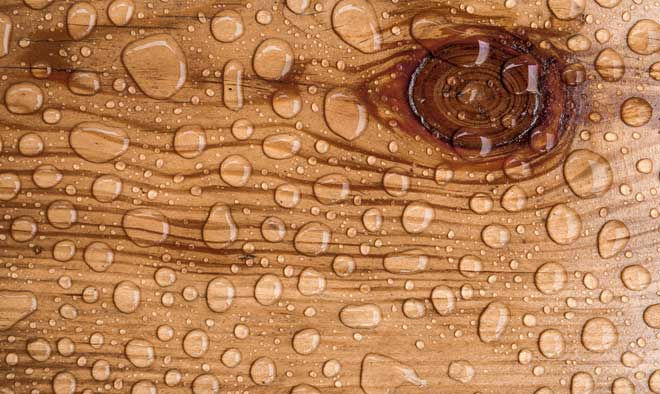
Wood is a natural material that never stops responding to the air around it. When humidity rises, boards absorb moisture and expand. When the air dries out, they release moisture and shrink. A well-chosen, well-installed floor handles normal seasonal change; problems start when the swings are large or moisture comes from below.
San Francisco's Microclimates

Conditions change from one neighborhood to the next. The Sunset, Richmond and other western neighborhoods see more fog and ocean air, while areas such as the Mission and Potrero Hill are often sunnier and drier. Many homes also sit over crawl spaces or garages, where moisture can rise into the floor from below. Knowing your home's conditions helps you choose the right floor.
Signs Your Floor Is Reacting To Moisture

Gaps between boards, usually in winter when heated air is dry.
Cupping, where the edges of boards sit higher than the centers, often from moisture below.
Crowning or buckling, where boards rise in the middle or lift off the subfloor. See What You Need to Know About Floor Buckling.
How Acclimation Works

Wood floors absorb and release moisture depending on where they are installed. In some cases the flooring needs to acclimate before installation. This should be done inside the building where the floor will be installed, after the space has been brought to normal living conditions. Acclimation is not an exact science, so your installer should measure the moisture of both the flooring and the subfloor.
Practical Ways To Protect Your Floor

Use a hygrometer to keep an eye on indoor humidity.
Run a humidifier during dry, heated months and a dehumidifier or ventilation in damp spells.
Make sure crawl spaces are ventilated and have a proper vapor retarder. See Moisture Barriers: Protecting Your Investment.
Avoid wet-mopping. Clean up spills quickly.
Choose engineered flooring where conditions swing a lot. See Engineered vs. Solid Hardwood Flooring for San Francisco Homes.
Planning wide boards or a pattern? Read Wide Plank White Oak Flooring in San Francisco: A Buyer's Guide and Herringbone, Chevron and Parquet Floors for San Francisco Homes, then follow How to Buy Wood Flooring in San Francisco and the Bay Area: A Step-by-Step Guide.
Ready To Choose Your Floor?

San Francisco Wood Floors sells and delivers wood flooring to homes and projects across San Francisco and the Bay Area. To get started, book a virtual design consultation, request a quote with our plank flooring quote form or herringbone and pattern quote form, or call 908-232-6600. Current prices are listed at luxurywoodnyc.com.
Browse the collections: wide plank floors, herringbone, chevron and parquet.
Related San Francisco Flooring Guides
Frequently Asked Questions
Why Do My Wood Floors Have Gaps In Winter?
Heated indoor air is drier, so the boards give up moisture and shrink. Small seasonal gaps are normal and usually close as humidity returns.
What Causes Wood Floors To Cup?
Cupping means the bottom of the boards holds more moisture than the top, often because of a damp crawl space or slab. Find and fix the moisture source before doing anything to the floor itself.
Do I Need To Acclimate Wood Flooring Before Installation?
It depends on the product and the site. Acclimation is done inside the space where the floor will be installed, after the space has been brought to normal living conditions. Your installer measures moisture to decide.
Is Engineered Flooring Better For Foggy San Francisco Neighborhoods?
Engineered flooring is more dimensionally stable than solid wood, so it is often the safer choice where humidity swings a lot.
Ready to order your floor? Call 908-232-6600, book a virtual design consultation or request a quote. We deliver throughout San Francisco and the Bay Area.
About the author: Joe Avila leads San Francisco Wood Floors, bringing 26 years of experience in wood flooring. He is an NWFA-certified wood flooring inspector, installer and sander, has taught accredited educational programs for AIA, ASID and IDCEC audiences for more than a decade, and has trained thousands of architects and design professionals in the proper specification of wood flooring. Questions about your floor? Call 908-232-6600 or visit luxurywoodnyc.com.


Comments