Is Wenge Flooring Right For Your Bay Area Home?

Updated: 2 days ago

Nine ideas for specifying African wenge floors in the Bay Area: color, light, hardness, formats, finish, moisture, sanding, sourcing and the rooms it suits.
Considering a wenge floor? Talk with Joe Avila: call 908-232-6600 or book a virtual consultation.
Wenge is the darkest floor most designers will ever specify without stain. It reads almost black from across a room and resolves into fine, straight lines as you approach. Here is how to decide whether African wenge belongs in your San Francisco or Bay Area home, and how to specify it so it stays handsome.
1. What Wenge Is

Wenge, Millettia laurentii, is a dense hardwood from Central Africa. Its heartwood is a deep brown with nearly black veining and fine, pale bands of tissue that give the surface a quietly striped look. The grain is straight and the texture coarse, with large open pores you can feel under a fingertip. For other tropical species, see our guide to afrormosia, Santos Morado and teak floors for Bay Area homes.
Unlike most woods in our species guide, wenge needs no help to look dark. A clear finish, and especially an oil, pulls the color toward near black. That is why it is often chosen where a stained oak would otherwise be specified, with the advantage that the color runs through the wood rather than sitting on top.
2. How Wenge Reads In Fog-Softened Light

San Francisco's marine layer gives many rooms a cool, diffuse light for much of the summer. In that light a wenge floor can read as one dark plane, which suits a gallery wall or a pale plaster interior but can feel heavy in a small, north-facing flat. The light vs. dark guide sets out the trade-offs.
Sunnier rooms behave differently. West-facing rooms in Sea Cliff and the Outer Richmond, or bright Peninsula and East Bay houses, show the grain and the warm undertone. Judge samples in the actual room at morning and evening, and see our color effects page for how finishes shift tone.
3. Hardness, Dust And Everyday Wear

Wenge is hard. It rates about 1,630 pounds-force on the Janka scale, against about 1,360 for white oak, so it shrugs off much of the denting that marks softer floors. Our notes on dents in wood floors explain why hardness is only part of the story.
The real issue is visibility. A near-black surface shows pale dust, pet hair and fine abrasion that a mid-tone oak hides. Mats at every entry, felt pads and a matte sheen keep it composed; households with large dogs should read our pets and wood flooring guide before choosing.
Weighing wenge against oak or walnut? Talk with Joe Avila: call 908-232-6600 or book a virtual consultation.
4. Plank Or Herringbone: The Formats

Our African wenge comes in a superior selection, 3/4 inch thick, in straight plank widths of 3 1/2, 4 3/4, 5 1/2, 6, 6 1/2, 7 1/8 and 8 inches, with random lengths from about 1 foot 5 inches to 6 feet 5 inches and longer. Narrower widths suit a classic strip look; wider boards show more of the grain.
For pattern work, wenge herringbone is 3 1/2 inches wide in 1 foot 3 inch or 1 foot 6 inch lengths, listed in Italian, French and Hungarian layouts. In a dark species the pattern reads through texture and reflection rather than color contrast. Compare the layouts in our herringbone collection.
5. Oil-UV Lacquer Or Natural Oil
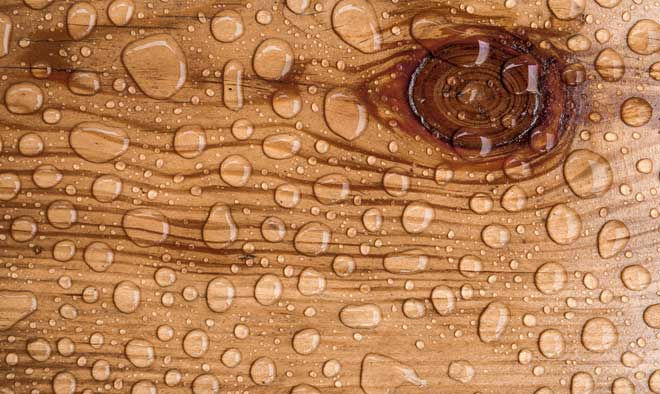
Wenge can be supplied unfinished, prefinished with an oil-UV lacquer, or natural oiled. Its open pores are the deciding factor: a film finish bridges them and can leave a faintly textured surface, while a penetrating oil sinks in and keeps the wood's tactile quality. Our high gloss vs. matte guide explains how sheen changes the look.
Oil is easy to refresh locally, which suits a floor where wear shows quickly. A UV lacquer resists spills and needs less routine care. For site-finished floors, Bay Area Air District rules limit coating VOCs, so finish selection should start from the low-VOC finishes guide and our eco-friendly finishes page.
With a dark floor, the finish decides how the room lives day to day. Choose the sheen in your own light before you choose anything else.
6. Moisture Checks A Specialist Insists On

Two details matter with wenge. First, a pin moisture meter must be set to the correct species correction, because many meters are calibrated for Douglas fir and read a dense exotic wrongly. Second, NWFA guidelines ask for no more than a 2 percent difference between subfloor and flooring for planks 3 inches and wider, and 4 percent for narrow strip. Our article on measuring moisture content covers the method.
Bay Area conditions test both. Fog keeps coastal crawlspaces damp, while dry offshore winds in the fall pull moisture out of interiors. Over a raised foundation, read our crawlspace guide; over concrete, test the slab and plan a moisture barrier before any wood arrives.
Planning the subfloor and moisture checks? Talk with Joe Avila: call 908-232-6600 or book a virtual consultation.
7. Sanding And Site Finishing

Unfinished wenge lets you set the final color and sheen on site, but it rewards a careful crew. Wenge dust is a known irritant, so sanding calls for strong dust extraction and proper respirators. On a dark floor every cross-grain swirl shows, so the final passes run with the grain and finer grits than oak would need.
Prefinished boards avoid most of that and suit occupied homes. Either way, plan for repairs: a scratch on a black-brown floor shows a lighter line, and our guide to repairing scratches and stains explains what can be touched up and what needs a recoat. Ask about care and maintenance before choosing.
8. Sourcing, Documentation And Alternatives

Wenge is listed under CITES Appendix II, which regulates its international trade, so documentation is part of a responsible order. Ask about origin and paperwork as you would any exotic wood floor, and allow for natural color variation between boards and lots.
If wenge is darker than the room wants, the same range includes African zebrano, with its bold stripes, African iroko, a golden brown, and Palisander Santos Morado, a deep violet-brown. For a domestic dark wood, our walnut flooring guide is the natural comparison.
9. Where Wenge Belongs In Bay Area Houses

Wenge suits a minimal condo in SoMa or Mission Bay with white walls and steel, a Marin hillside house with long glass walls, or a library in a Pacific Heights residence. It can also work as a border or inlay framing a lighter oak field, a classic way to use a strong species in small quantities.
On Peninsula estates and in wine country, it often belongs in a study or dining room rather than a kitchen or mudroom, where grit and spills show fastest. Many projects pair wenge in formal rooms with rift and quartered white oak elsewhere, joined at a threshold or border.
Quick Answers
What is Millettia laurentii?
Millettia laurentii is the botanical name of wenge, a dense, dark African hardwood. It is the name listed on our African Wenge product page, which offers it in a superior selection, 3/4 inch thick, unfinished or prefinished.
Is wenge flooring hard enough for a family home?
Yes. Wenge rates about 1,630 pounds-force on the Janka scale, against about 1,360 for white oak, so it resists dents well. Its near-black surface shows dust, grit and fine scratches more readily than pale oak, so a matte finish and good mats matter.
What sizes does your wenge flooring come in?
Our African wenge plank flooring is 3/4 inch thick, in widths from 3 1/2 to 8 inches and random lengths from about 1 foot 5 inches to 6 feet 5 inches and longer. Wenge herringbone is 3 1/2 inches wide in 1 foot 3 inch or 1 foot 6 inch lengths.
Should a wenge floor be oiled or lacquered?
Both are offered: unfinished, prefinished with an oil-UV lacquer, or natural oiled. Oil deepens the color and is easy to touch up locally; a UV lacquer gives a tougher, lower-maintenance film. Matte sheens hide wear best on a dark floor.
Can wenge go in a San Francisco condo over concrete?
It can, but the slab and construction decide it. Concrete must be tested for moisture, and over slabs or radiant heat an engineered construction is the usual specification. Confirm the construction and installation method with Joe Avila before ordering.
Plan Your Wenge Floor With Joe Avila
Call 908-232-6600, email joe@hugginsflooring.com or book a virtual consultation.
Ready to choose your floor? Book a virtual design consultation, request a sample box, or call (908) 232-6600, 9am to 5pm Eastern. We ship and deliver throughout San Francisco, the Peninsula and the Bay Area.
Explore our wide plank, herringbone, chevron and parquet floors, the species guide, wood cuts, eco-friendly finishes and wood floor resource guide.
Main office: 406B West Broad Street, Westfield, NJ 07090. We ship and deliver wood flooring throughout San Francisco and the Bay Area.
About The Author
Joe Avila leads San Francisco Wood Floors, part of Huggins Wood Floor Specialist, and brings 26 years of experience in wood flooring. He is an NWFA-certified wood flooring inspector, installer and sander, and has taught accredited AIA, ASID and IDCEC programs for more than a decade. He advises homeowners, designers and architects from species, grade and pattern through subfloors, moisture control and installation. To plan a floor, visit San Francisco Wood Floors.


Comments